
How to Choose a Mechanical Watch That Will Last for Decades
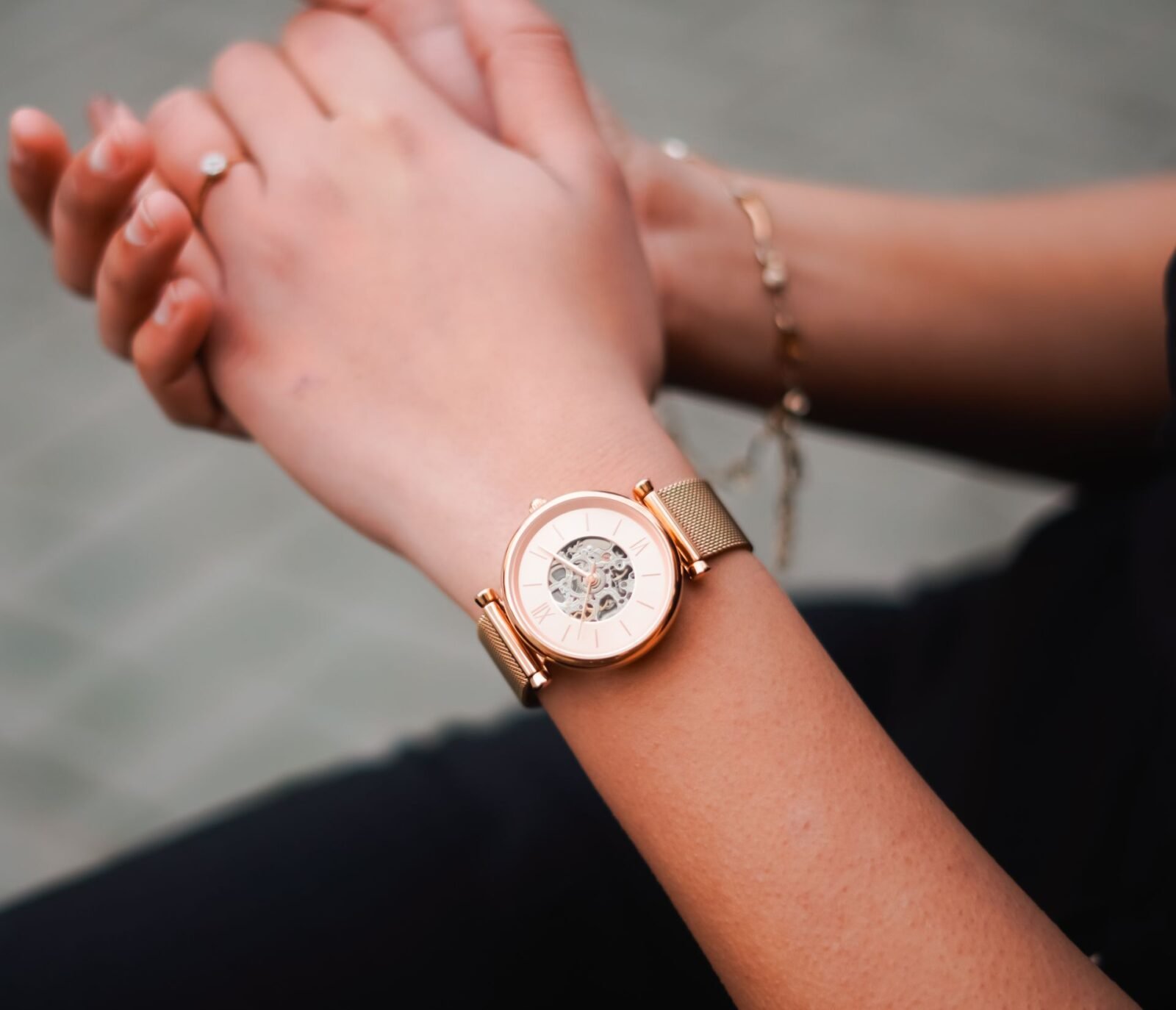
Your phone is planning its retirement before its second birthday; a well-chosen mechanical watch could still be ticking when your grandchildren start borrowing it without asking.
Thanks, it’s a generational investment piece — here’s how to choose one that actually earns the title.
A mechanical watch is one of the few everyday objects capable of genuinely outlasting its owner. While consumer electronics grow obsolete within a few years, a well-chosen mechanical timepiece can function reliably across generations — provided it’s selected thoughtfully and maintained consistently. During the research phase, many buyers browse brand-specific pages to compare movements, case sizes, and materials — visiting places where they might shop tudor watches, review Omega caliber specifications, or examine Seiko movement grades — before narrowing down their options. This guide offers practical, brand-neutral criteria to help anyone make a confident, long-term decision.
Understanding Mechanical Watch Movements
A mechanical movement is powered by a coiled mainspring rather than a battery. Energy travels through a series of gears to the escapement, which regulates timekeeping through an oscillating balance wheel. Movements are either hand-wound (requiring manual winding) or automatic (self-winding through the motion of the wearer’s wrist).
When it comes to long-term durability, movement quality matters far more than complication count. The precision of finishing, the availability of spare parts, and access to qualified service centers decades down the road are all critical factors. A movement from an established manufacturer with well-documented technical literature is considerably easier — and less expensive — to service over a 20- to 30-year horizon than one sourced from a supplier with limited parts availability.
Key Takeaway: A durable mechanical watch begins with a well-engineered movement whose components and servicing will remain accessible for the long haul.
Evaluating Build Quality: Case, Crystal, and Water Resistance
Three physical attributes largely determine how well a watch holds up to daily life:
- Case material: Stainless steel strikes an excellent balance of durability, scratch resistance, and corrosion resistance. Titanium is lighter but can be harder to refinish. Precious metals are undeniably beautiful, though softer and more susceptible to surface wear over time.
- Crystal type: Sapphire crystal is significantly harder than mineral glass, resisting scratches far more effectively across years of regular wear.
- Water resistance: Ratings expressed in meters or ATM reflect tested pressure tolerance, not safe diving depths. Critically, gaskets degrade with age and require periodic replacement to maintain the stated resistance rating.
Always verify these specifications through official technical documentation rather than relying on marketing materials alone.
Timeless Design vs. Trends
A watch purchased for decades of use should still feel right to wear in year fifteen. Timeless design typically means a balanced dial layout, legible hour indices, and a case diameter proportionate to the wearer’s wrist — generally, somewhere between 36mm and 42mm works well across a wide range of contexts. Oversized cases and bold, unconventional dial colors tend to feel dated within a few years, while understated, well-proportioned references stay versatile across both casual and formal occasions.
Key Takeaway: Designs that prioritize legibility and proportion tend to age gracefully.

Service, Maintenance, and Long-Term Ownership Costs
Mechanical watches need periodic servicing — typically every four to seven years, depending on the movement and how the watch is worn. A standard service involves complete disassembly, ultrasonic cleaning, fresh lubrication, regulation, and replacement of worn gaskets and components. Skipping this maintenance accelerates internal wear; what might cost a few hundred dollars in routine upkeep can escalate into a far more expensive movement repair if left unattended.
Common warning signs that a watch needs attention include a meaningful drop in accuracy, moisture visible beneath the crystal, or unusual sounds during winding. Before authorizing any work, always request a written estimate and confirm that the watchmaker offers a service warranty.
Brand Heritage and After-Sales Support
For a watch intended to last decades, the manufacturer’s service infrastructure is just as important as the product itself. Brands with established histories — including manufacturers like Tudor, Longines, or Grand Seiko, mentioned here simply as examples — typically maintain parts archives, detailed technical documentation, and global service networks capable of supporting watches produced many years prior. Before committing to a purchase, verify warranty terms, confirm whether independent watchmakers can source parts, and research the brand’s track record for supporting older references.
Matching a Watch to Your Lifestyle
The most durable watch is ultimately the one that suits how it will actually be worn. A desk-based professional might prioritize a slim dress watch with moderate water resistance, while someone with an active outdoor lifestyle will want a more robust case and higher water resistance ratings. It’s also worth asking honestly whether complications like a date, GMT function, or chronograph genuinely serve your daily needs — each additional function adds complexity and cost to servicing over time.
Pulling It All Together for a Decades-Long Companion
Choosing a mechanical watch built to last comes down to informed trade-offs: a robust movement, durable materials, proportionate design, and a realistic plan for maintenance. No single brand guarantees longevity — consistent care and thoughtful selection do. Compare specifications across several manufacturers, consult independent horological resources, and speak with a certified watchmaker before making a final decision. A watch chosen with this level of care becomes something far greater than a timekeeping tool — it becomes a reliable, meaningful object worth passing on.